Crawlspace Leak Detection & Repair in Fresno, CA
Water in your crawlspace is always serious — and always fixable. Stedman's Plumbing identifies the plumbing source and repairs it right.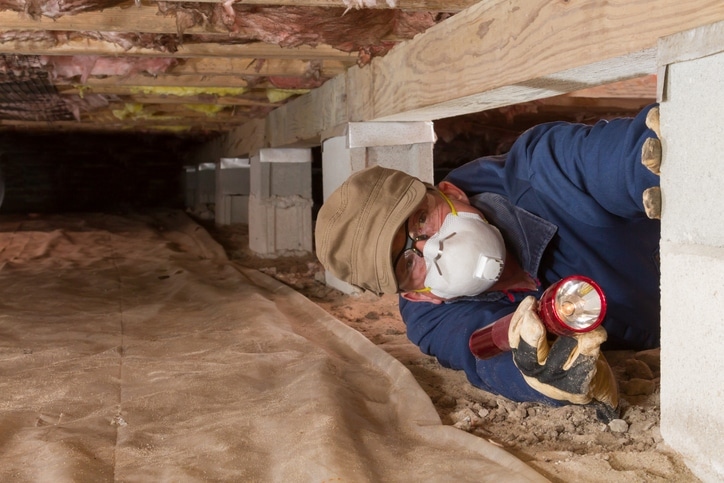
When a Fresno homeowner finds water under their house, the first call usually goes to a foundation or waterproofing company — because that's what ranks in a Google search. But if the source of that water is a broken pipe, a corroded supply line, or a failed drain connection, no amount of encapsulation will fix the problem. You need a licensed plumber.
Stedman's Plumbing specializes in the plumbing side of crawlspace leaks — locating and repairing pipe leaks under homes across Fresno and the Central Valley. We access your crawlspace, identify the plumbing source, and fix it correctly. If the issue turns out to be groundwater rather than a pipe leak, we'll tell you plainly and can refer you to the right specialist.
Is It a Plumbing Leak or Water Intrusion?
Understanding the difference determines who you need to call first. A licensed plumber handles the source — broken or corroded pipes. A waterproofing contractor manages moisture control and groundwater. These are different problems requiring different solutions.
- Burst or leaking water supply pipe
- Cracked or offset drain/waste pipe
- Failed pipe joint or coupling
- Water heater or appliance overflow line
- Leaking irrigation or sprinkler connection near foundation
- Rainwater seeping through foundation
- High water table after heavy rain
- Poor lot grading or drainage slope
- Condensation from humidity (no pipe source)
- Encapsulation or vapor barrier needs
When in doubt, call us first. We can confirm whether you have a plumbing leak before you invest in waterproofing work that won't solve the actual problem.
Warning Signs of a Crawlspace Leak
Crawlspace leaks are often invisible to homeowners until secondary damage has already begun. Watch for these signs that something is wrong beneath your floors:
- Musty odor throughout your home — stale, earthy smell that doesn't go away with ventilation; often the earliest sign of crawlspace moisture
- Soft, springy, or warped subfloor — wood absorbs moisture and loses structural integrity; you may feel a spongy flex underfoot
- Mold or mildew visible under the home — dark spots on floor joists or the underside of subfloor material indicate ongoing moisture exposure
- Unexplained water bill increase — if your usage hasn't changed but your bill has spiked, a supply pipe leak under the house is a likely cause
- Rust stains on pipes or support beams — oxidation on metal components indicates prolonged moisture contact
- Pest intrusion — especially termites and rodents — moisture-damaged wood attracts termites; rodents enter through the same gaps that allow water in
Common Plumbing Causes We Fix
Fresno homes — especially those built before 1990 — often have original copper or galvanized steel pipes running through the crawlspace. These age and corrode. Here's what we most commonly find and repair:
Burst or Leaking Water Supply Pipes
Copper pipe corrosion is the leading cause of supply line failures in Fresno crawlspaces. Fresno's hard water (high mineral content from Sierra Nevada snowmelt) accelerates interior pipe corrosion, causing pinhole leaks that grow into full pipe failures. Older galvanized steel lines rust from the inside out and eventually crack or separate at joints.
Leaking Drain and Waste Pipes
PVC drain lines can crack from age, soil settlement, or physical contact. Cast iron drain pipe (common in pre-1970s Fresno homes) corrodes and holes develop from the outside. Rubber gaskets at pipe connections dry out and fail. A slow drain leak in a crawlspace can go unnoticed for months, saturating wood framing continuously.
Water Heater or Appliance Overflow
T&P relief valve discharge lines and condensate drain lines from appliances can route to or through the crawlspace. A failed overflow valve or disconnected drain line introduces water directly under the house without any visible sign inside the living space.
Failed Irrigation or Sprinkler Lines Near Foundation
Irrigation lines that run close to the foundation can develop leaks that saturate the soil perimeter and migrate under the crawlspace. While this may appear to be groundwater intrusion, the source is a plumbing leak — one we can locate and repair.
Condensation on Uninsulated Pipes
In Fresno's warmer months, cold water pipes in an unventilated crawlspace accumulate condensation. Over time this creates persistent moisture on wood framing. Proper pipe insulation eliminates this without the need for full crawlspace encapsulation.
Our Crawlspace Inspection Process
We follow a systematic process to locate the plumbing source of moisture in your crawlspace before recommending any repair:
- Access point identification: We locate and safely enter your crawlspace through the existing access hatch — typically at the exterior of the foundation. We document the access conditions and confirm adequate clearance for safe inspection.
- Visual and camera inspection: Our technician performs a complete visual survey of all visible piping — supply lines, drain lines, and any appliance connections. For drain lines with suspected cracks or offset joints, we deploy a pipe inspection camera to view the interior condition without destructive opening.
- Leak source determination: We use pressure testing on supply lines and moisture readings on wood framing to confirm the leak location. We distinguish between active pipe leaks, residual moisture from a past leak, and groundwater intrusion sources.
- Repair plan presented: Before any work begins, we walk you through exactly what we found, what caused it, and what repair options are available. You approve the plan — we never start work without your agreement.
Why Crawlspace Leaks Cannot Wait
Mold can begin growing on wood in as little as 24–48 hours of moisture exposure. In a confined, low-airflow crawlspace, that moisture persists far longer than in open spaces. The longer the leak continues, the more damage accumulates — and the harder the remediation becomes.
- Mold growth: Crawlspace mold releases spores into your living space through floorboard gaps and HVAC returns, degrading indoor air quality for your entire household. Mold remediation after prolonged exposure is significantly more costly than fixing the leak early.
- Wood rot and structural damage: Floor joists, beams, and subfloor plywood soften and deteriorate when continuously wet. Significant wood rot requires structural repairs that far exceed the cost of the original plumbing fix.
- Pest infestation: Damp wood attracts subterranean termites — the most destructive pest problem in Fresno's Central Valley climate. Rodents also enter through moisture-damaged or weakened crawlspace entry points. A plumbing leak is often the first link in a chain of pest damage.
- Indoor air quality: The "stack effect" in a house draws air up from the crawlspace into living areas. Musty, mold-laden crawlspace air circulates through your home continuously until the moisture source is removed.
- Home resale value: Any crawlspace moisture or plumbing leak will be flagged in a home inspection. Unrepaired issues require disclosure and often become leverage for price negotiations. Repairing before listing protects your equity.
Crawlspace Pipe Repair Options
The right repair approach depends on the type of pipe, the extent of damage, and the age of the surrounding plumbing. We explain all options clearly and let you choose what's right for your situation.
Pipe Section Replacement
For localized damage — a single corroded section, a cracked joint, or a failed coupling — we cut out and replace only the affected portion. This is the most common repair for crawlspace pipe leaks and is typically completed in a single visit.
Full Crawlspace Repipe
When supply piping throughout the crawlspace is old, corroded, or has failed in multiple locations, a full repipe using flexible PEX tubing is often the most cost-effective long-term solution. PEX is corrosion-resistant, rated for Fresno's hard water, and significantly more durable than original copper or galvanized lines. Learn about our piping and repiping services →
Drain Line Repair
Cracked or offset drain pipes under the house require camera inspection to determine the exact failure location, followed by targeted section replacement or re-routing. We use pipe inspection cameras to minimize guesswork and unnecessary access cuts. See our drain leak repair services →
Frequently Asked Questions
Water in a crawlspace can come from two sources: plumbing leaks (burst supply pipes, corroded copper or galvanized lines, cracked PVC drain pipes, failed pipe joints) or groundwater intrusion (rainwater seepage, high water table, poor site drainage). If you have a plumbing leak, a licensed plumber must address it first. Groundwater issues are handled by waterproofing or foundation specialists. In many cases, what looks like groundwater intrusion is actually an active pipe leak — which is why a plumbing inspection is always the right first step.
A plumbing leak typically shows up as an unexplained increase in your water bill, water present near a specific pipe location, or water that appears even during dry weather with no recent rain. Groundwater intrusion tends to worsen after heavy rain and affects the perimeter of the crawlspace. The most reliable way to confirm: turn off all water inside the house and check your water meter — if it continues moving, you have an active plumbing leak. A licensed plumber can access the crawlspace, inspect visible piping, and perform pressure testing to confirm the source definitively.
Yes. Mold can begin growing on wood floor joists and subfloor material within 24–48 hours of moisture exposure. Because crawlspaces have limited airflow, conditions that favor mold growth can persist for weeks or months before a homeowner notices. Musty odors throughout the home are often the first sign. Repairing the plumbing leak promptly reduces the risk of mold spreading to living areas. After the leak is fixed, a mold remediation specialist can assess whether treatment of affected wood framing is needed.
A straightforward pipe section repair in an accessible crawlspace typically takes 2–4 hours. More complex repairs — such as replacing a long run of corroded galvanized pipe, rerouting a drain line, or a full crawlspace repipe — may require a full day or a multi-day project. We assess the full scope during the initial inspection and give you a clear plan before any work begins, so there are no surprises about timeline or scope.
After a plumbing leak is repaired, you may want to address any residual moisture and prevent future groundwater issues. Waterproofing measures — such as vapor barriers, encapsulation, or drainage systems — are handled by waterproofing or foundation specialists, not plumbers. We focus exclusively on the plumbing source of the leak. Once your pipes are repaired and moisture levels return to normal, we're happy to discuss whether a referral to a waterproofing contractor makes sense for your situation and home type.